The register

Hindu temples covered here

Every temple in the register, newest additions and oldest alike, with the country marked on each photograph. Open one and you get its hub page, and under that the pages answering its timings, its dress code, who may enter, what prasad is offered, how to reach the gate and what festivals do to the schedule. Nothing here is ranked or rated: the order is the order temples joined the register, and a temple's position on this page says nothing about the temple itself.

Last updated 1 September 2026

Browse by temple

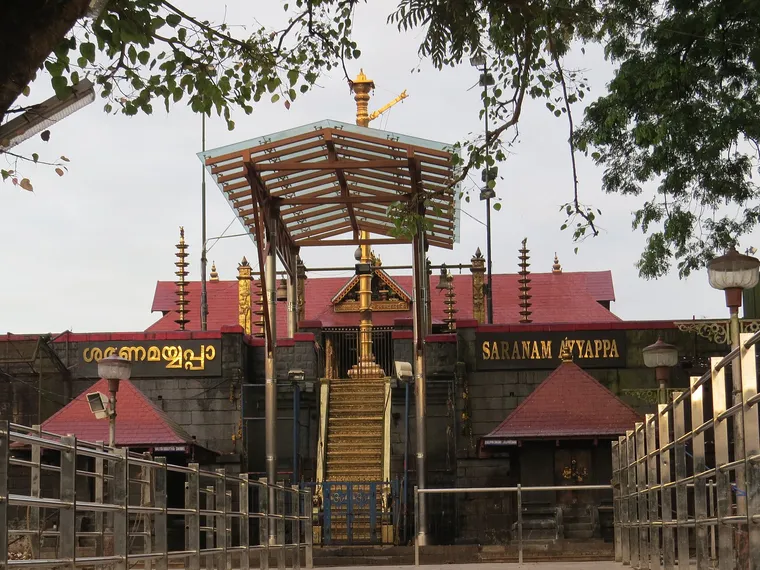
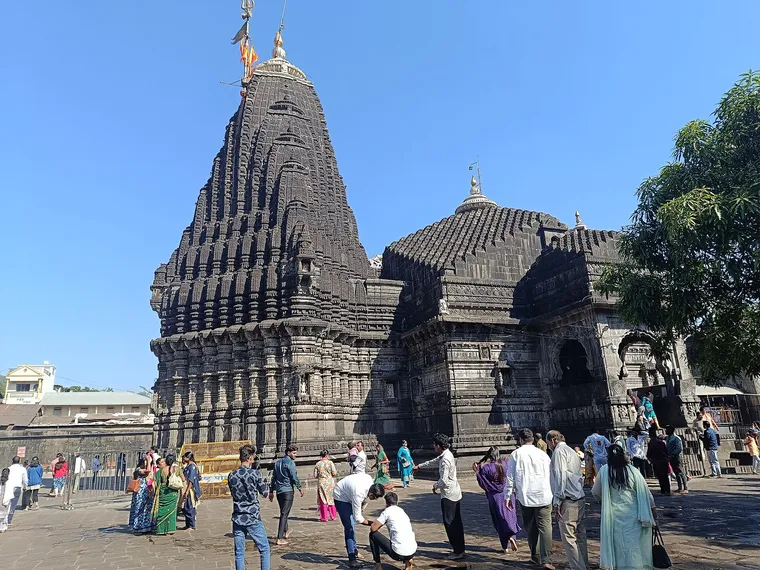
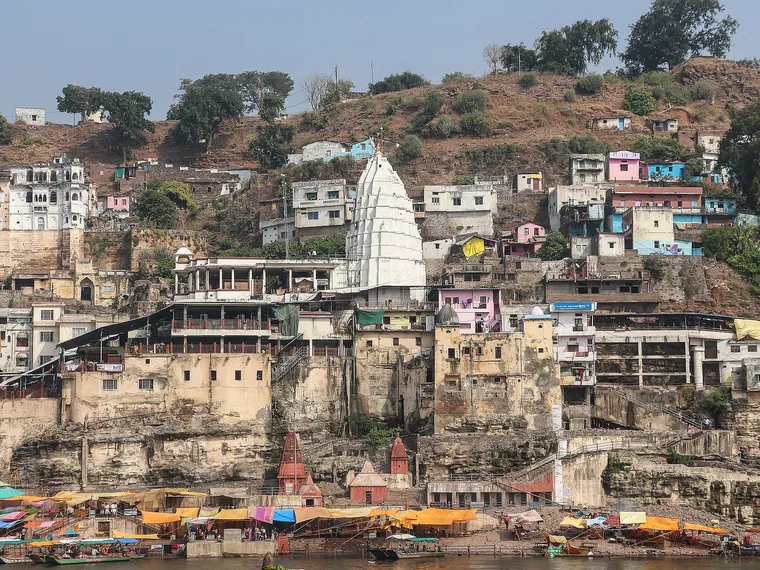
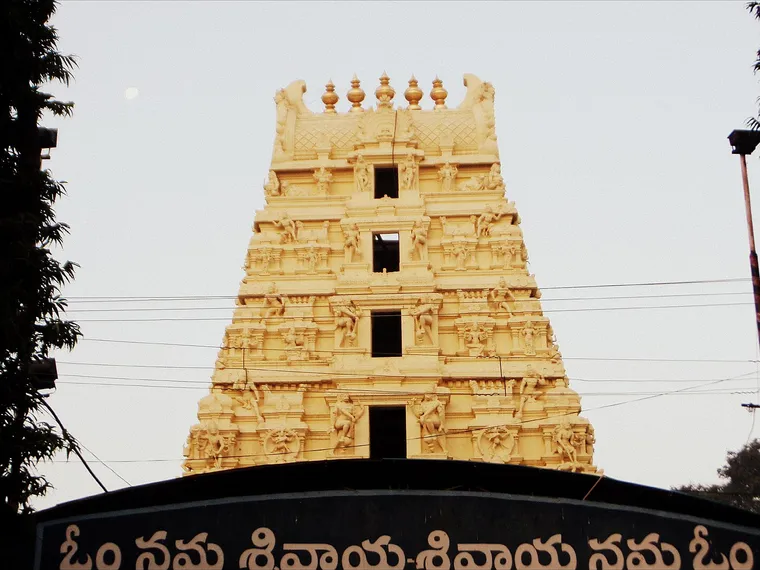
The country badge sits on the photograph because it is the fastest thing to scan for. Entry rules and dress enforcement follow the country more closely than anything else about a temple, so knowing where one is tells you most of what to expect before you open its page. The line under each name is the city and the state or province, which is what you will need if you are working out how to get there.

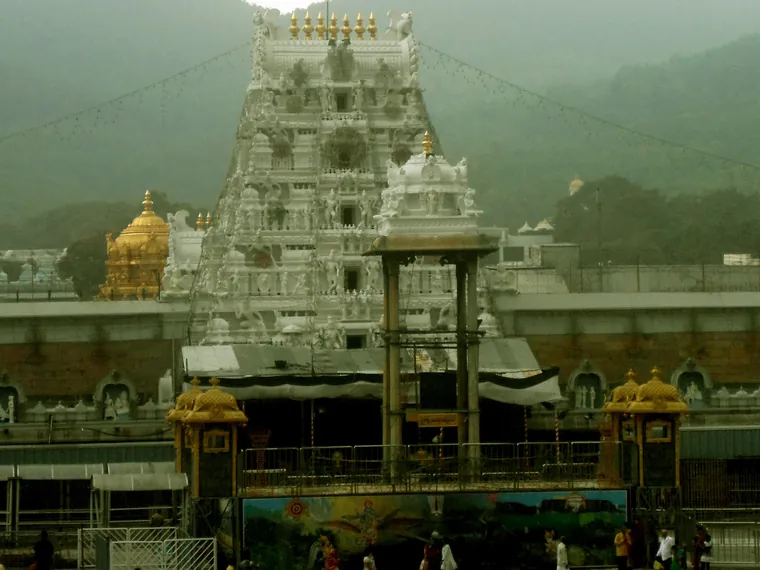
The gopuram and outer wall of the Tirumala Venkateswara Temple with the Seshachalam hills behind it India
Tirumala, Andhra Pradesh

Tirumala Tirupati Balaji Temple

Hill temple of Venkateswara above Tirupati, where darshan runs on a queue and token system.

Timings and rules
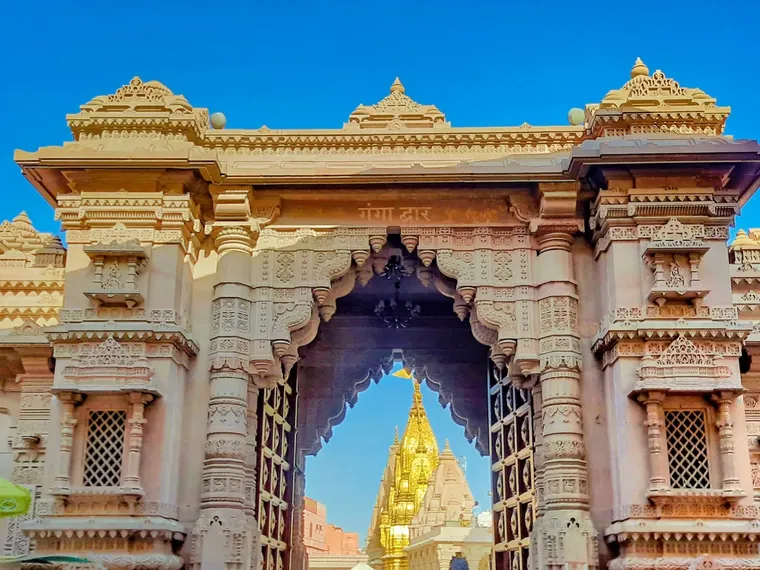
The Ganga Dwar gateway of the Kashi Vishwanath Corridor in Varanasi with the golden shikhara visible through the arch India
Varanasi, Uttar Pradesh

Kashi Vishwanath Temple

Jyotirlinga of Shiva in Varanasi, reached through the corridor opened in 2021.

Timings and rules
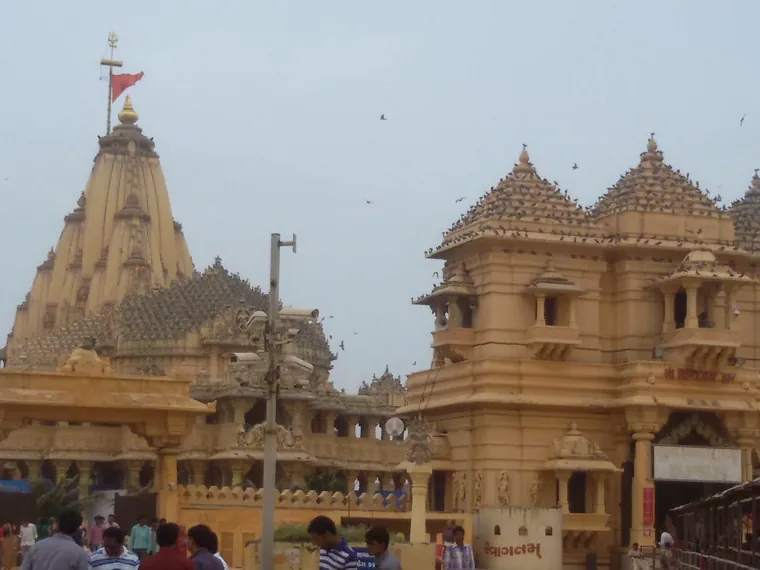
The Somnath Temple on the Gujarat coast seen from the pilgrim approach, with the Arabian Sea beyond it India
Prabhas Patan, Gujarat

Somnath Temple

Jyotirlinga on the Arabian Sea coast, with a light and sound show after dark.

Timings and rules
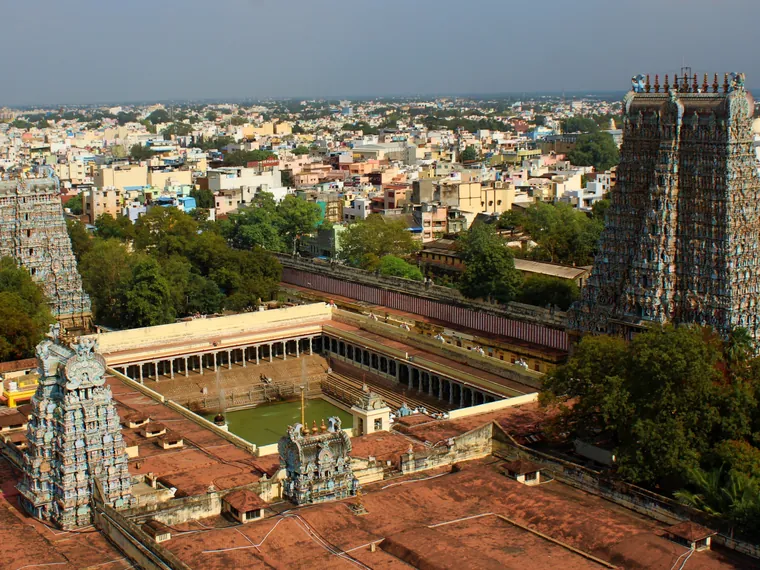
A carved gopuram of the Meenakshi Amman Temple in Madurai covered in painted sculpture from base to finial India
Madurai, Tamil Nadu

Meenakshi Amman Temple

Twin sanctums of Meenakshi and Sundareswarar inside fourteen gopurams in central Madurai.

Timings and rules
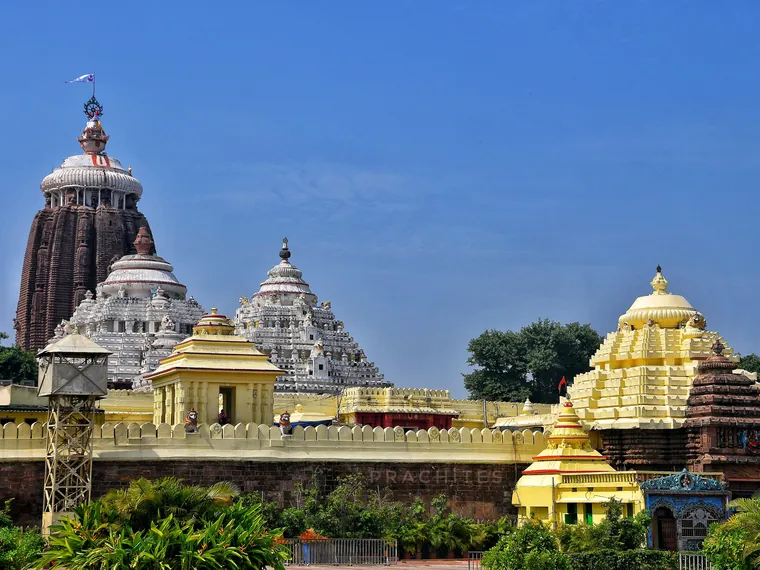
The main tower and subsidiary shrines of the Jagannath Temple in Puri seen above the boundary wall India
Puri, Odisha

Jagannath Temple, Puri

Char Dham temple of Jagannath, Balabhadra and Subhadra, with entry restricted to Hindus.

Timings and rules
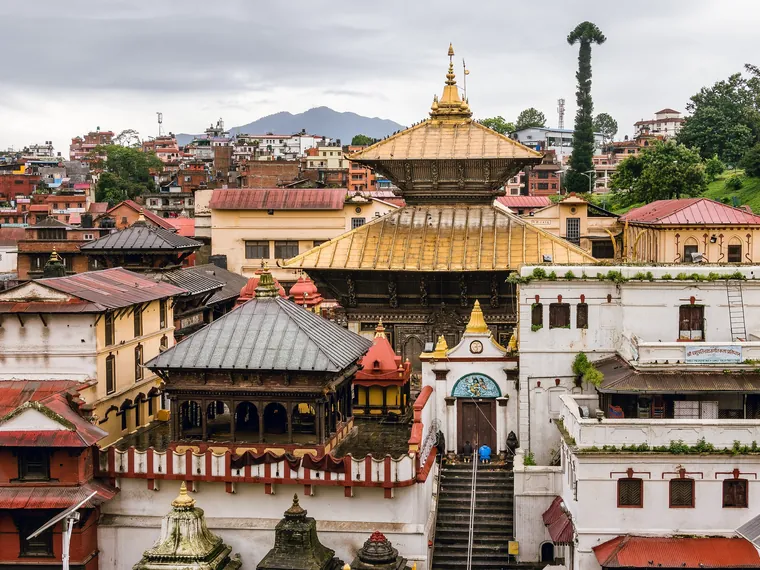
The pagoda roofs of the Pashupatinath Temple complex in Kathmandu rising above the buildings around the Bagmati river Nepal
Kathmandu, Bagmati Province

Pashupatinath Temple

Shiva temple on the Bagmati river; only Hindus may enter the main courtyard.

Timings and rules
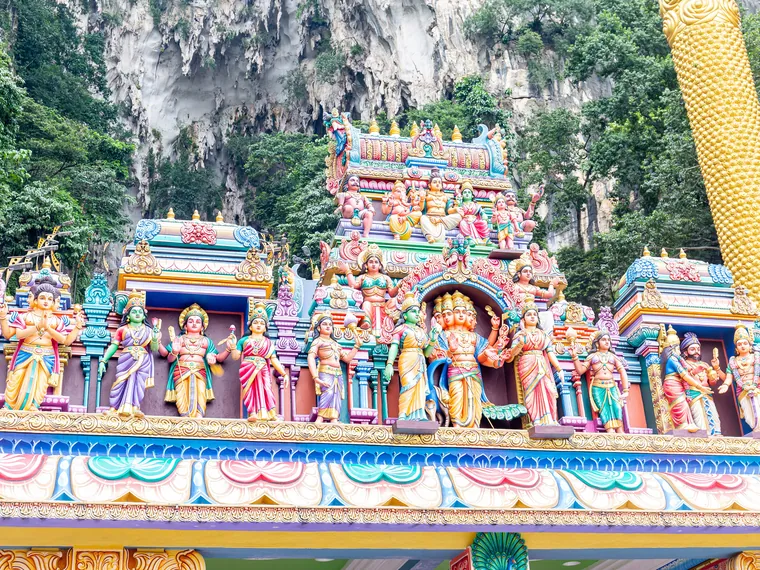
The gilded Murugan statue at Batu Caves beside the painted staircase leading up to the limestone cave temple Malaysia
Gombak, Selangor

Batu Caves Sri Subramaniar Temple

Murugan cave temple above 272 painted steps, just outside Kuala Lumpur.

Opening hours and rules
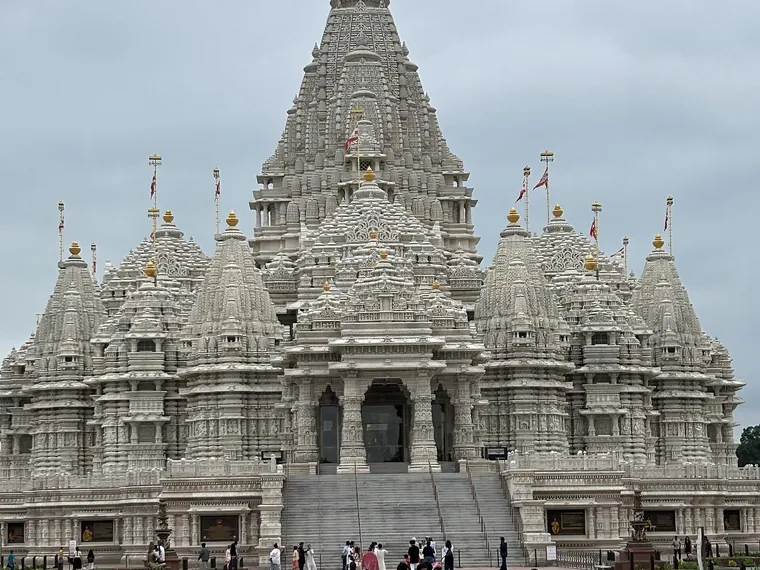
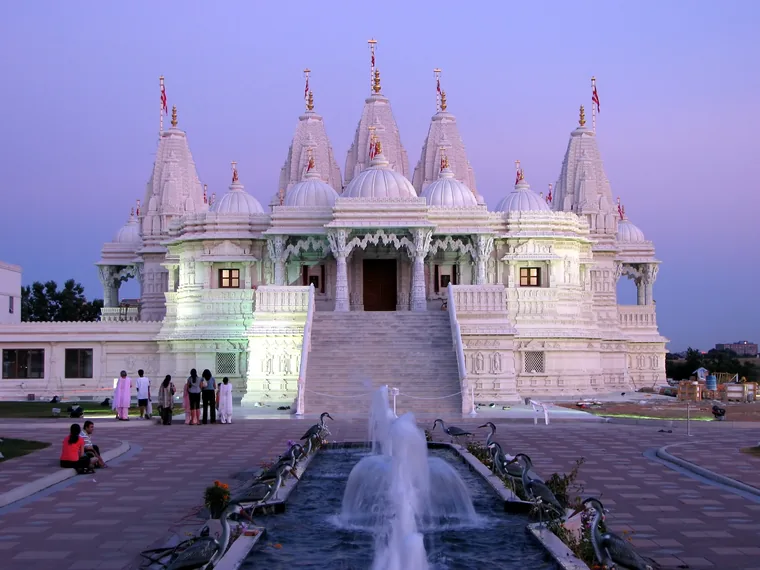
The carved stone mandir of BAPS Swaminarayan Akshardham at Robbinsville, New Jersey, seen across its forecourt United States
Robbinsville, New Jersey

BAPS Swaminarayan Akshardham, Robbinsville

Carved stone mandir at Robbinsville, opened to the public in 2023.

Opening hours and rules
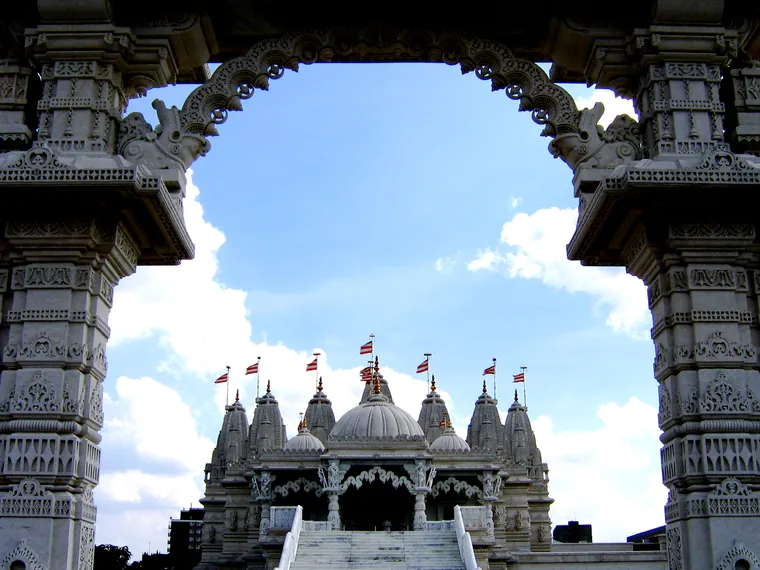
The carved gateway of the BAPS Shri Swaminarayan Mandir at Neasden in London framing the white marble mandir behind it United Kingdom
Neasden, London, England

BAPS Shri Swaminarayan Mandir, Neasden

The first traditional Hindu stone mandir in Europe, opened in London in 1995.

Opening times and rules
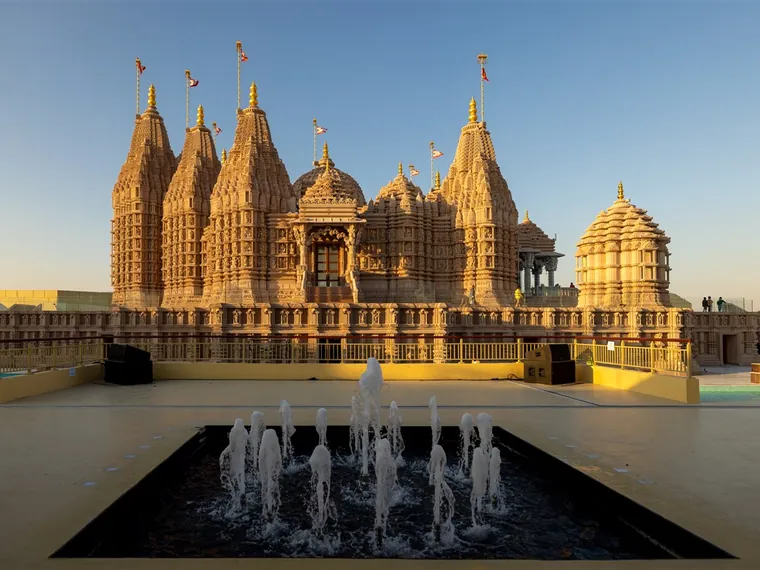
The seven carved stone spires of the BAPS Hindu Mandir in Abu Dhabi reflected in the water channel in front of it United Arab Emirates
Abu Mureikhah, Abu Dhabi

BAPS Hindu Mandir, Abu Dhabi

The first traditional stone mandir in the Middle East, inaugurated in February 2024.

Opening hours and rules
About the register

Questions about what is covered

How temples get added, what sits under each one, and what to do when the temple you need is missing.

How is it decided which temple gets covered next?

By two things together: how many people are looking for a temple, and how badly the pages currently answering them do it. A temple with heavy demand whose own website does not appear in the results is a higher priority than a quieter one that already publishes clearly. Reader requests move a temple up the list.

Will smaller temples be covered, or only well known ones?

Both, in that order. Large temples come first because they send the most people to the least reliable pages, but the problem is worse at smaller temples, not better. A neighbourhood mandir with no website at all is exactly the case where a visitor has nowhere to check.

Why is the country shown on the photograph?

Because it is the fastest way to read the list. Entry rules, dress enforcement, public holidays and festival calendars follow the country more closely than anything else, so knowing where a temple is tells you most of what to expect before you open its page.

What sits under each temple?

A hub page holding the whole picture, and separate pages beneath it for timings, dress code, entry rules, prasad, how to reach the gate and festivals. They are separate because people search for them separately, and a single long page forces someone after one fact to read past five others.

How do the URLs work?

Every temple sits under its ISO country code, so a temple in India is under /in/ and one in Nepal under /np/, with the temple name after it and its inner pages beneath that. Temple names repeat around the world, and the country code keeps them apart without making the address unreadable.

Why does the list load in batches?

So the page is usable immediately on a phone rather than loading dozens of photographs you may never scroll to. Every temple is in the page already and every link is followable; the button only reveals what is there. Without JavaScript the whole list simply shows at once.

Can I ask for a temple to be added?

Yes, and it is the fastest way to change what gets covered next. Send the temple name and its town through the contact page. If you also say what you could not find out about it, that decides which of its pages gets written first.

How often is a covered temple rechecked?

Timings are rechecked against the temple's own source at intervals, and outside that whenever a festival period or an announced change makes the existing answer doubtful. The date of the last check is shown on the page rather than kept out of sight.

Why does a temple page sometimes say the schedule is unconfirmed?

Because the temple publishes nothing, or publishes something that contradicts itself, and no honest source exists to quote. Saying so is the accurate answer. Filling the gap with a plausible time would make the page look finished and send somebody to a locked gate.

Does this list include temples that are heritage monuments?

Where a Hindu temple operates as a ticketed monument with published visiting hours, it belongs here as much as an active temple does, and often the practical questions are sharper: opening hours, tickets, what you may carry and which parts are closed.

Are temples ranked or rated here?

No. There are no scores, no stars and no ordering by importance. The list is a register, not a ranking, and nothing about a temple's position on this page says anything about the temple.

What does the country badge on a photograph actually tell me?

Enough to set your expectations before you open the page. It tells you which festival calendar applies, which public holidays could close the temple, roughly how strictly a dress code is likely to be enforced, and whether published opening hours are usual in that country or unusual. None of that is a substitute for the temple's own page, but it is the right first filter.

Are the photographs of the temples themselves?

Yes. Each image shows the temple it sits under, chosen so the building is recognisable at card size rather than for being the prettiest photograph available. Every one is used under an open licence with its photographer credited, and none of them are decorative stock images of somewhere else.

Why is there no search box on this page?

Because the register is small enough to read, and a search box over a short list is a way of hiding things rather than finding them. When the list outgrows a page, it will be split by country first, since that is how people already think about where they are going.

Can I link straight to a temple rather than to this list?

Yes, freely, and deep links to a temple page or to one of its inner pages are welcome without asking. A link to a temple's timings page is more useful to whoever you send it to than a link to this register, which they then have to search.

Does a temple appearing here mean it is open to visitors?

Not by itself. Some temples restrict entry to Hindus, some close the sanctum to the general queue, and some operate as ticketed monuments rather than active places of worship. A temple appears here because people need information about it, and its page states exactly what access it allows.

How do I know a page has not gone stale?

By the date shown beside each fact, which is the check date rather than the date the page was edited. A schedule checked recently can be planned around. An older one is worth a call to the temple first, and the page tells you which of the two you are reading before you rely on it.

Is any of this affiliated with the temples?

No. This is an independent reference site. It carries what temples publish, credits them and links to them, and corrects itself when a temple says something has changed. It has no relationship with any temple, trust or tourism body.

Temple you need not on the list?

Send the name and the town. Requests decide what gets written next, and corrections to a temple already here are published faster than anything else.