India
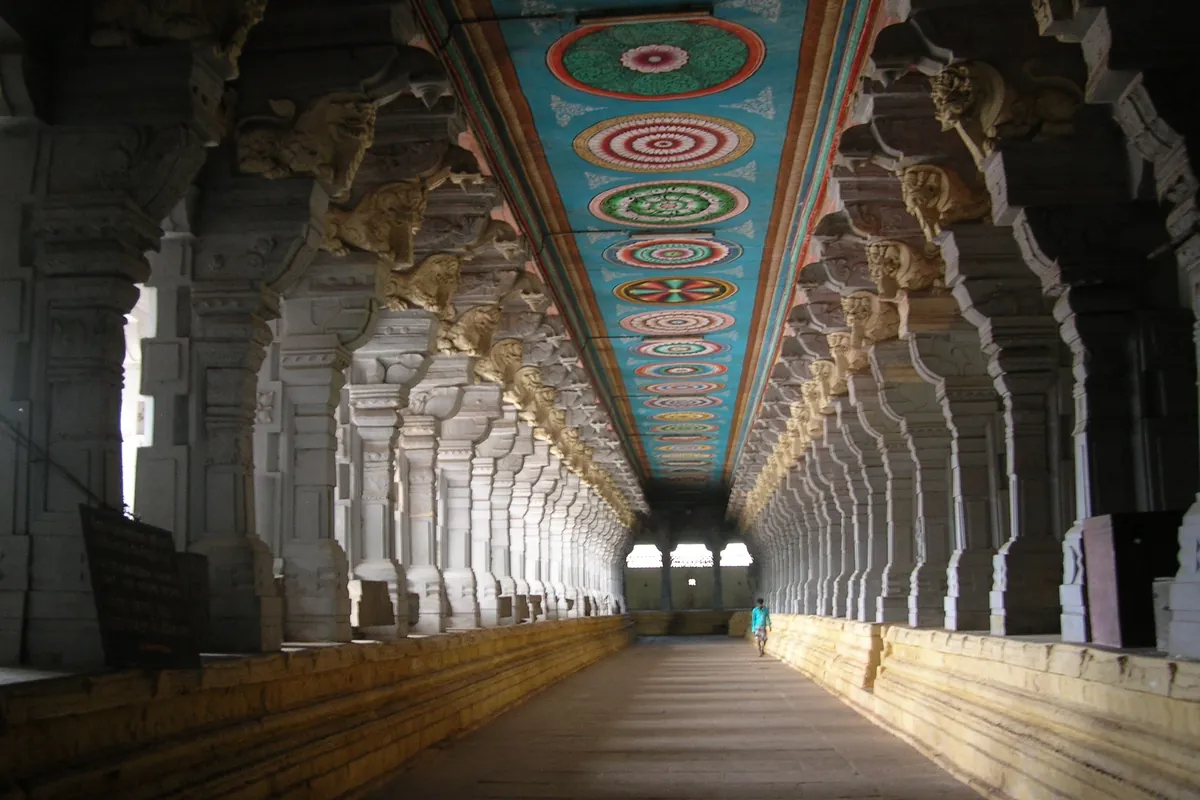
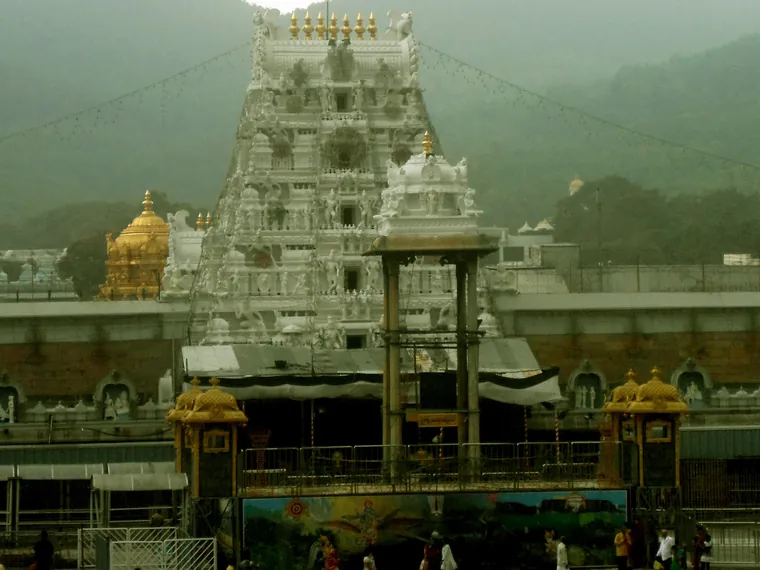
Tirumala Tirupati Balaji Temple
Hill temple of Venkateswara above Tirupati, where darshan runs on a queue and token system.
Darshan 07:00 – 19:00, 20:00 – 00:30templetimings.org is a reference site for visiting Hindu temples anywhere in the world. For each temple it publishes the visiting hours, the dress code that is enforced at the gate, who may enter and with what, the prasad on offer and the way in, with the source of every fact and the date it was last checked shown beside it. Where a temple publishes nothing, the page says so rather than filling the gap with a number.
A temple page here is not an article about the temple. It is the set of answers somebody needs in the two days before they travel, split the way people actually search for them, so nobody has to read past four answers to reach the one they came for.
A fact appears on this site with its source and the date it was checked, or it does not appear as a fact at all. Everything below follows from that single rule.
Temple schedules change for festivals, ritual days and repairs, sometimes at a day's notice. Treat every timing here, and everywhere else, as the last verified position rather than a promise, and confirm before a long journey. If something here is out of date, tell us and it gets checked.
Temples are grouped by country, because the rules that decide a visit follow the country more closely than anything else. A few of them are below; the temples page carries the register in full and the countries page lists every country covered.
India
Hill temple of Venkateswara above Tirupati, where darshan runs on a queue and token system.
Darshan 07:00 – 19:00, 20:00 – 00:30
Nepal
Shiva temple on the Bagmati river; only Hindus may enter the main courtyard.
Darshan 04:00 – 21:00
Malaysia
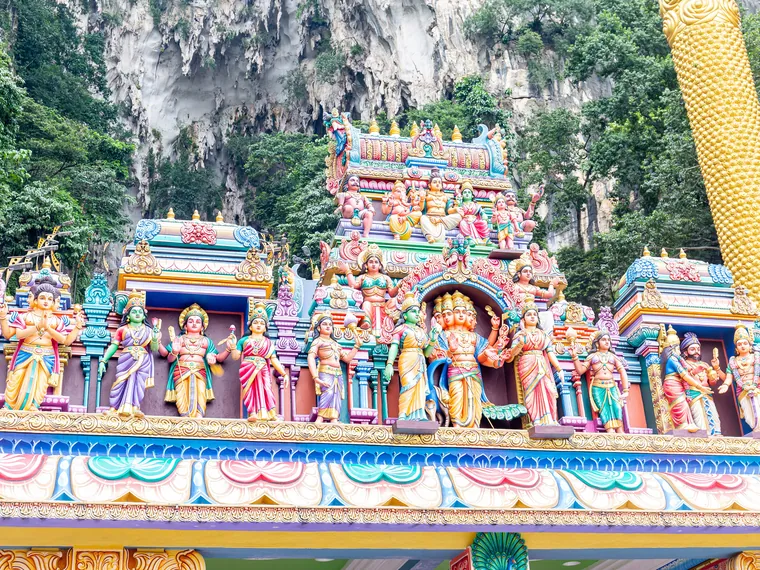
Murugan cave temple above 272 painted steps, just outside Kuala Lumpur.
Opening hours not verified yet
United States
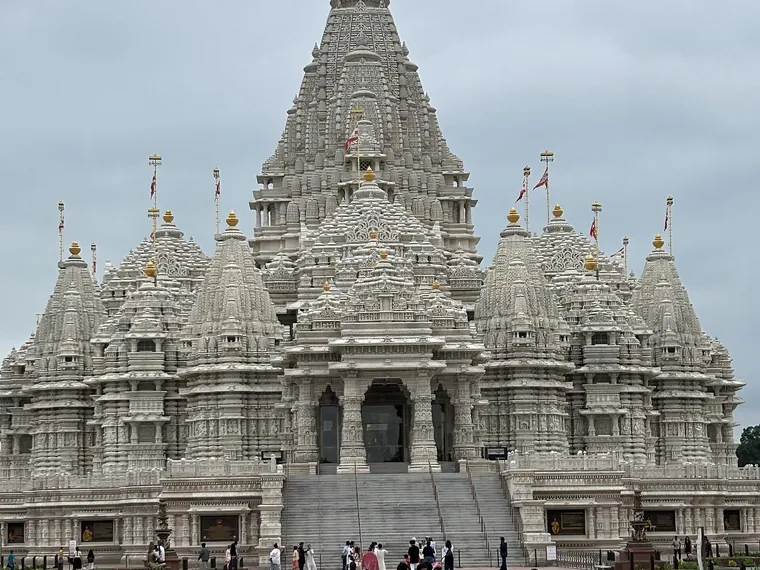
Carved stone mandir at Robbinsville, opened to the public in 2023.
Open 09:00 – 19:30 · closed Tue
United Kingdom
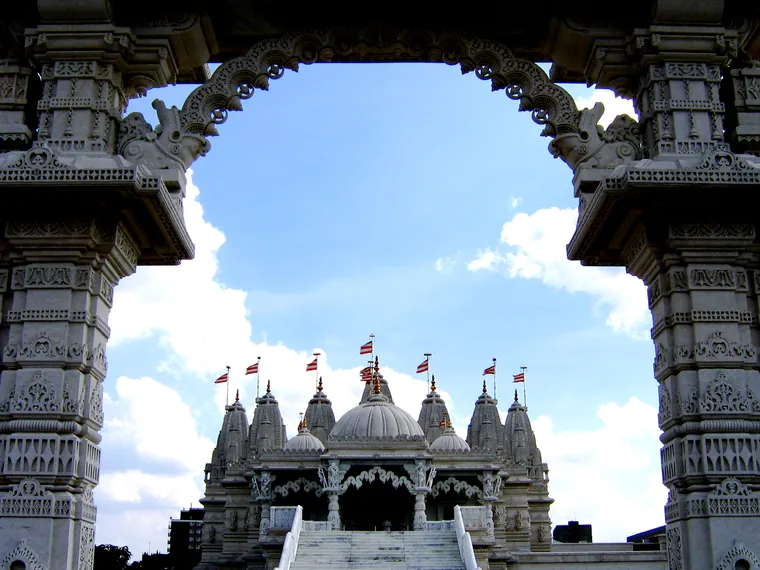
The first traditional Hindu stone mandir in Europe, opened in London in 1995.
Open 09:00 – 18:00
United Arab Emirates
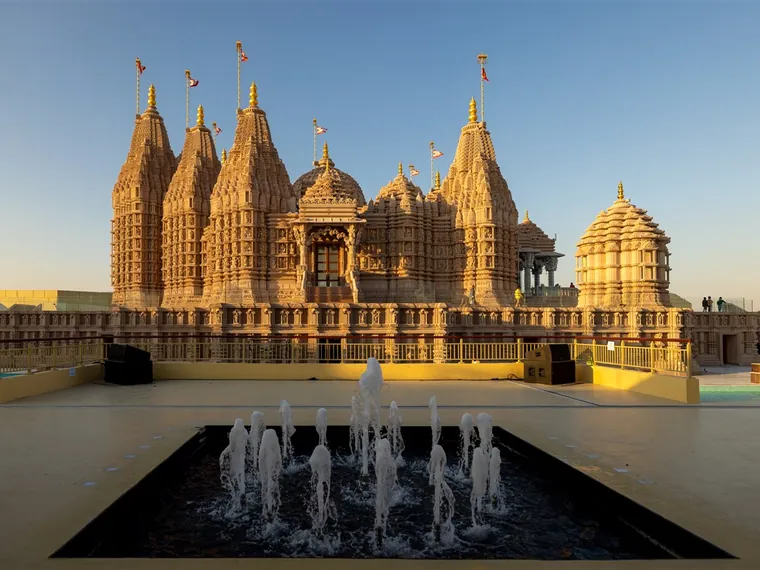
The first traditional stone mandir in the Middle East, inaugurated in February 2024.
Open 09:00 – 20:00 · closed Mon
Indonesia
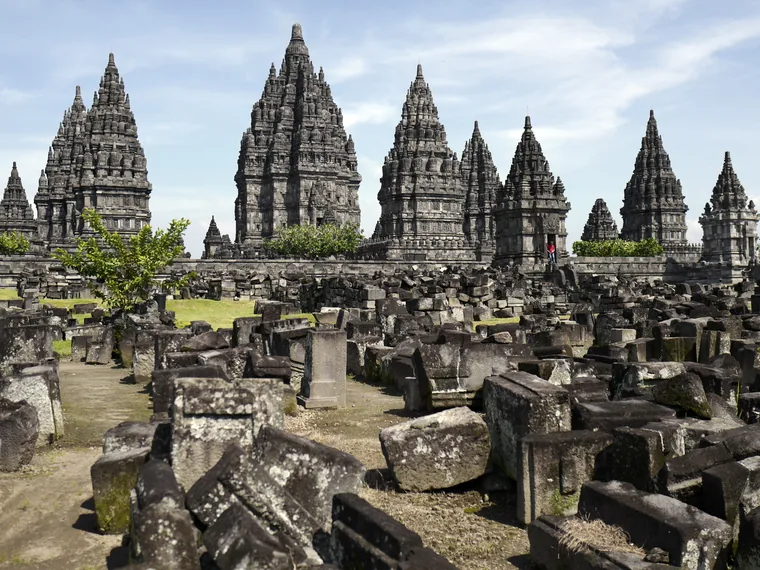
9th-century Trimurti temple compound near Yogyakarta, run as a ticketed UNESCO heritage park.
Open 07:00 – 17:30
Singapore
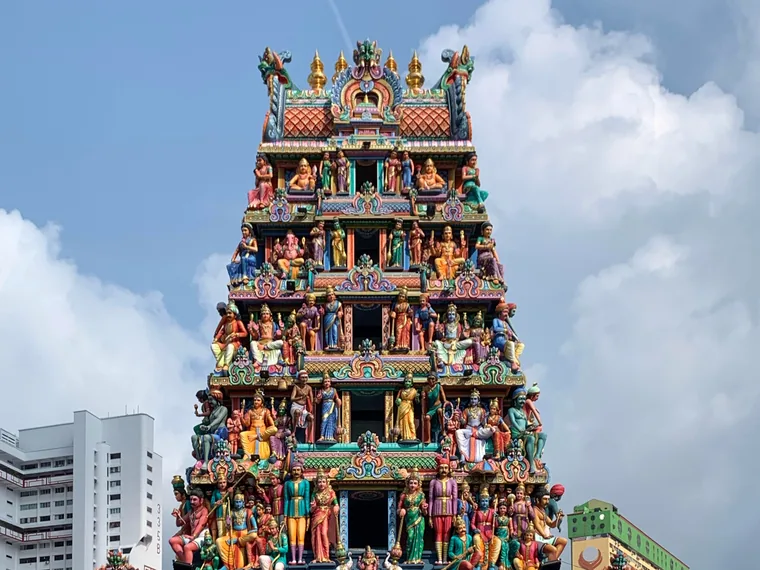
Singapore's oldest Hindu temple, founded in 1827 on South Bridge Road in Chinatown.
Open 06:00 – 12:00, 18:00 – 21:00 · different on Fri
Canada
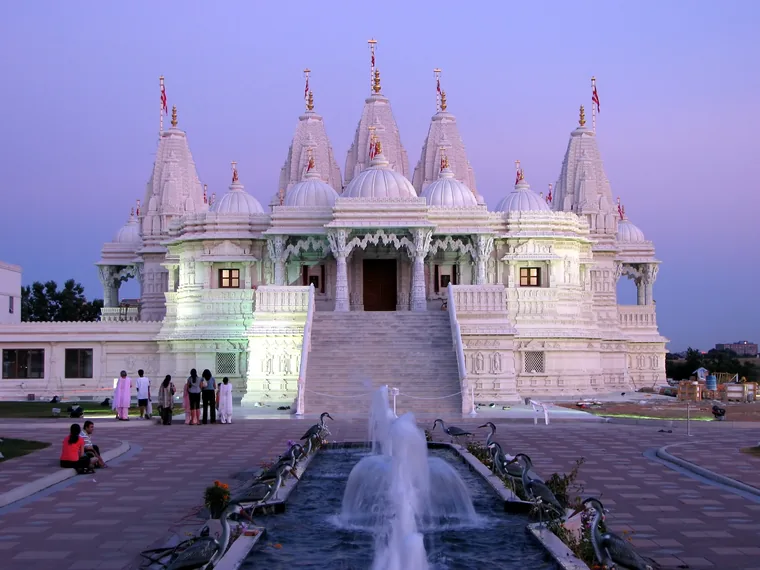
Canada's first hand-carved stone and marble mandir, dedicated in Toronto in 2007.
Open 09:00 – 19:00Four things worth knowing before you use the site, whether you are checking one fact or planning a journey around it.
Each temple has a hub page that holds the whole picture in one screen: where it is, who may enter, what the schedule pattern looks like and links to every answer in full. Read that first if the temple is new to you. If you already know the temple and need one fact, go straight to its timings or dress code page instead.
Countries sit above temples in the same structure, so you can work down from a country to a city to a temple without going back to a search engine.
Every schedule on this site shows where it came from and when it was last checked. Those two lines matter more than the numbers above them. A schedule checked last week from a trust's own site can be planned around. One checked six months ago is worth a phone call first, and the page tells you which you are looking at.
Where a page says the schedule is unconfirmed, that is the accurate answer rather than a missing one. No temple's hours are invented to fill the space.
No darshan, ticket, queue skip, tour or meeting is sold on this site, and none can be. Where a temple operates its own booking or paid entry, the page says so and links to the temple's own channel rather than any intermediary.
If a site is charging you to arrange entry to a temple, it is not connected to that temple. Almost every temple in the world admits visitors free, and the ones that charge do it at their own counter.
The most useful thing a reader sends is a photograph of a notice board. Schedules change locally and quietly, and a temple that has updated its own board has not necessarily updated its website. A report from somebody who was standing at the gate is checked against the temple and, once confirmed, published with the new date.
Requests for temples that are not covered yet work the same way. They move a temple up the list faster than anything else does.
What the site holds, where it comes from, and what it will not do.
A reference site for visiting Hindu temples. For each temple it sets out the visiting hours, the dress code that is enforced, who may enter, what prasad is available and how to reach the gate. It is a place to check something before you travel, not a magazine about temples.
The practical facts, in the order people need them: the hours for each part of the day, the weekly closed day, what you may wear, what you may carry in, who is permitted inside, what prasad is offered and where the entrance is. Each of those sits on its own page so you do not have to read past five answers to find one.
From the temple or the trust that runs it, wherever it publishes: its own website, its app, its notice board or its verified account. Every fact on the site shows which of those it came from and the date it was last checked, so you can judge it for yourself instead of taking it on trust.
No, and no site can honestly promise that. Temple schedules move for festivals, ritual days, eclipses, weather and repairs, sometimes at a day's notice. What this site gives you is the last verified position, its source and its date, which is enough to decide whether to rely on it or ring ahead.
Yes, and they are treated as seriously as the hours, because they are what stops people at the gate. Rules differ between temples and between countries: some refuse certain clothing, some restrict entry, some ban cameras or bags. Each page states what is enforced rather than what is merely suggested on a sign.
Nothing is sold here and no booking is taken. Where a temple runs its own booking or paid entry, the page says so and points at the temple's own channel. Anyone charging you through a third-party site to arrange entry to a temple is not connected to that temple.
Because a timing with no date is not information, it is a rumour. Most temple pages online carry a schedule with no indication of where it came from or when anyone last looked. Showing both turns a claim into something you can check, and it makes it obvious when a fact has gone stale.
The page says the schedule is unconfirmed and explains what is known and how to check before travelling. It does not print an invented time. A stated gap is more useful than a confident guess, because the guess is what sends somebody to a locked gate.
Each temple has a hub page, and under it separate pages for timings, dress code, entry rules, prasad, how to reach it and festivals. Temples are grouped by country, because entry rules, dress enforcement, public holidays and festival calendars follow the country far more closely than anything else.
A temple sits under its ISO country code and then its state, so Somnath is at /in/gujarat/somnath/ and Pashupatinath at /np/bagmati/pashupatinath/, with its inner pages under that. Temple names repeat around the world, and the country and state keep them apart without making the address unreadable.
Hindu temples in any country. The list is built out from the temples people search for most and where the answers currently online are worst, so it grows by demand rather than by region. The temples page always shows the current state of it.
Send it through the contact page with whatever you saw, ideally a photograph of the notice board or a link to the temple's own announcement. Reports from people who were at the gate are the fastest way a schedule gets corrected here, and each one is checked against the temple before anything changes.
Send the name and the town. Requests decide what gets covered next, and corrections to something already here are published faster than anything else.