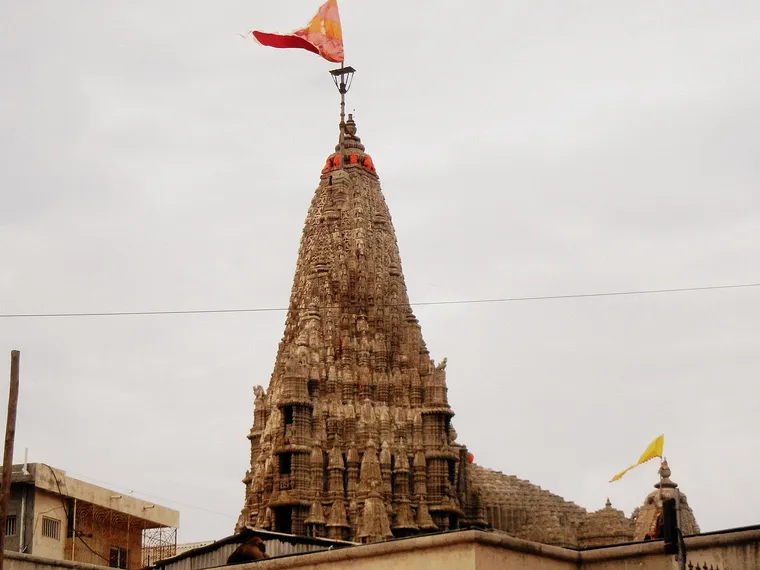
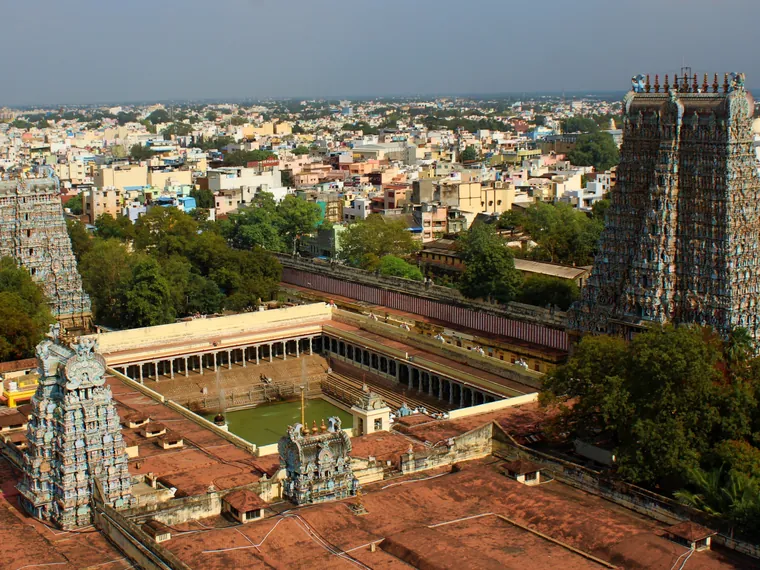
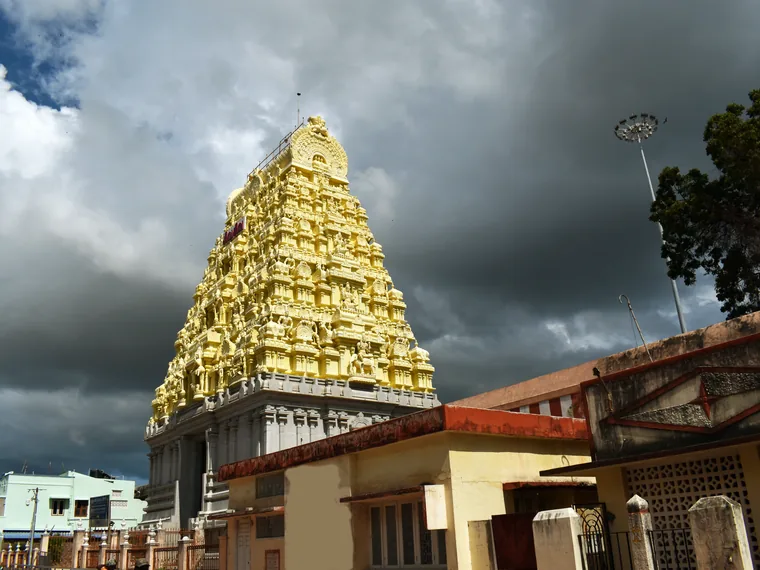
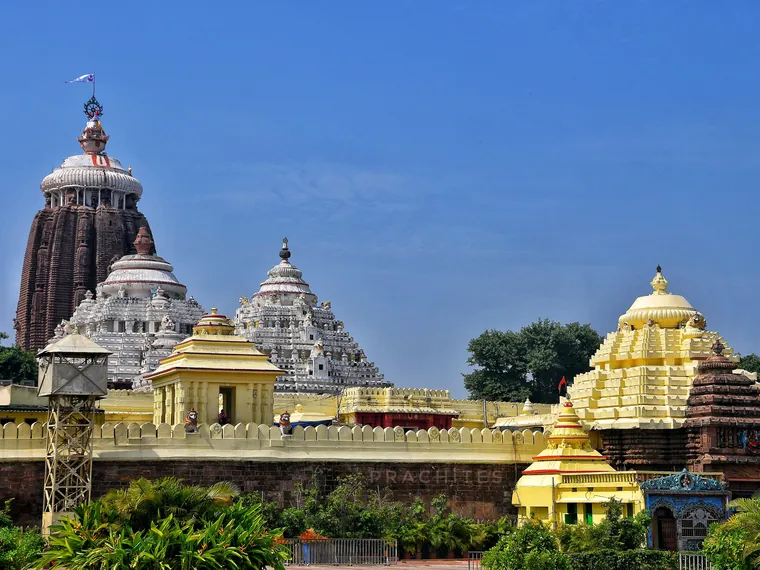
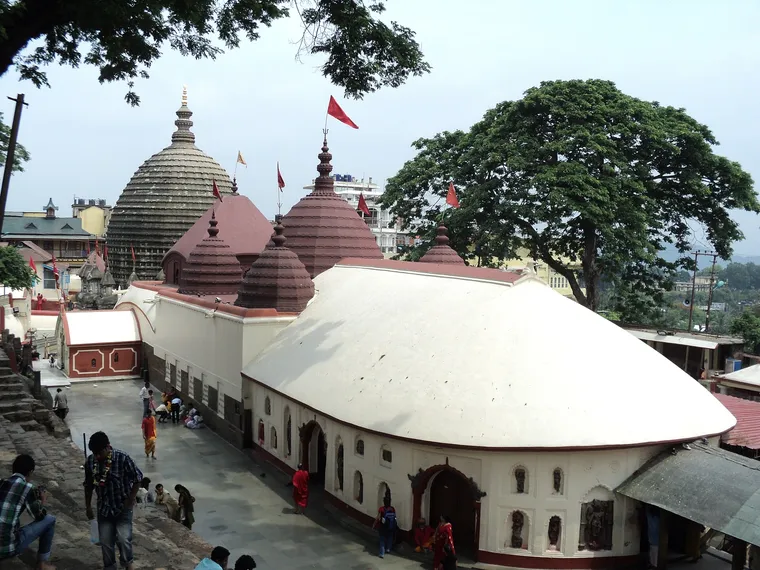
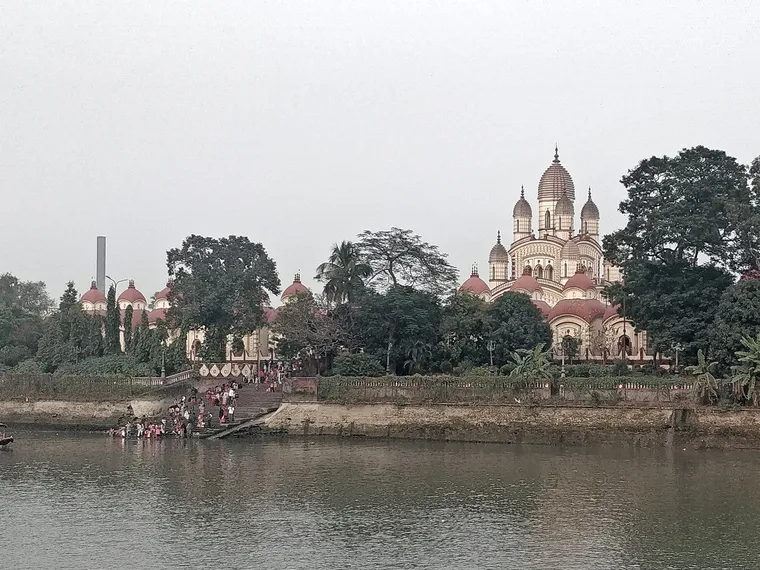
Five things that hold across most of these temples and that catch out visitors who plan an Indian temple the way they would plan a museum.
The day is a ritual sequence, not opening hours
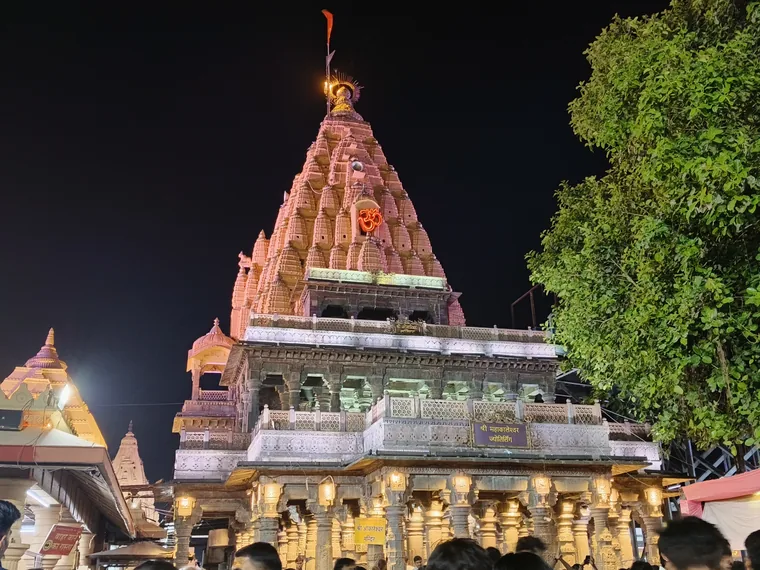
Most of these temples publish their day around named ceremonies. Tirumala publishes Suprabhatam, Thomala Seva and Archana before any block labelled Darshanam. Puri publishes eighteen rituals from Dwaraphita to Pahuda. Varanasi publishes five aartis and fits darshan around them, and Mahakaleshwar's committee publishes five aartis, from the Bhasma Aarti at 04:00 to Shayan Aarti at 22:30, and no general darshan window at all. Dwarkadhish splits its day into more than twenty slots, each marked open or closed for a bhog. Only Meenakshi Amman and Padmanabhaswamy publish bare windows, and Somnath one window with three aarti times inside it.
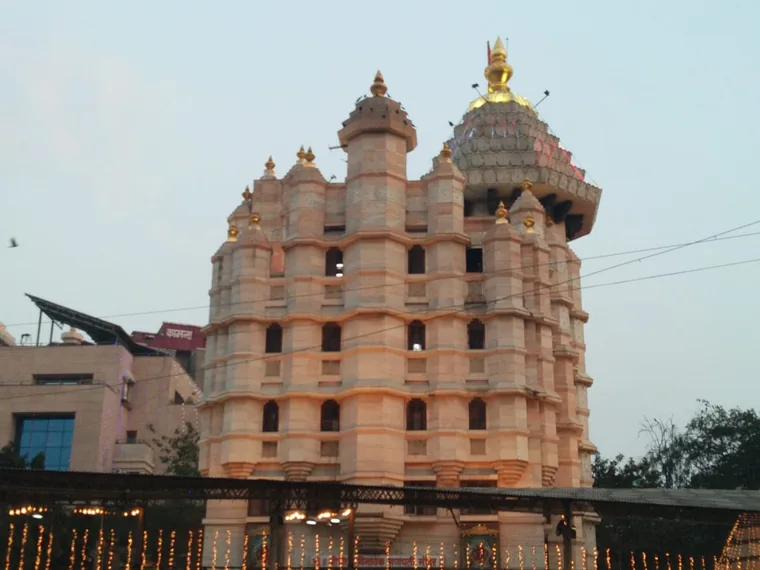
Reading that as opening hours is the commonest planning error. The temple can be open and the sanctum still closed: Tirumala marks blocks as Ekantam, Vaishno Devi suspends darshan for nearly two hours at each aarti, and on Tuesday evenings Siddhivinayak closes its doors from 20:45 to 22:10 with darshan possible only from a distance. The schedule tells you which is which if you read it as the temple wrote it.
The midday closure is normal
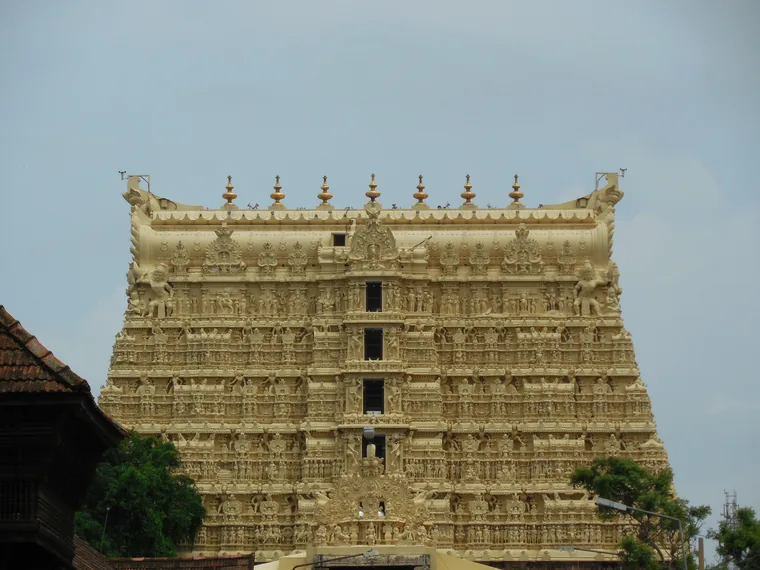
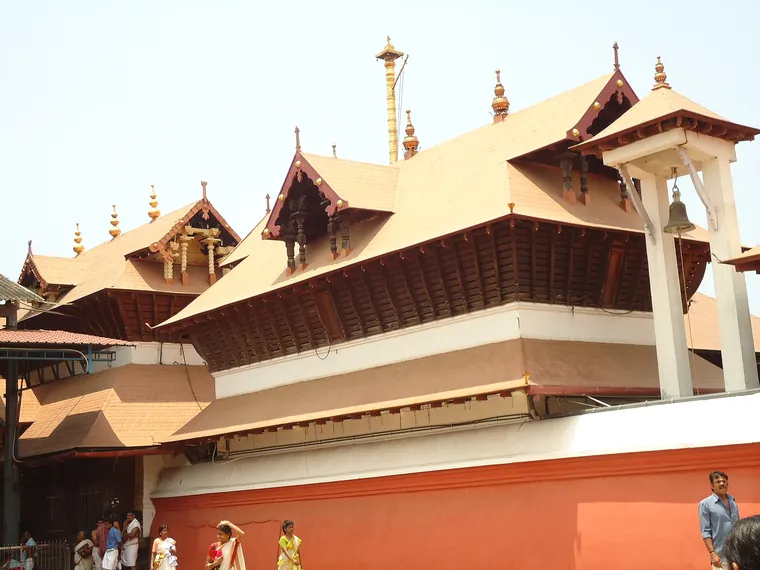
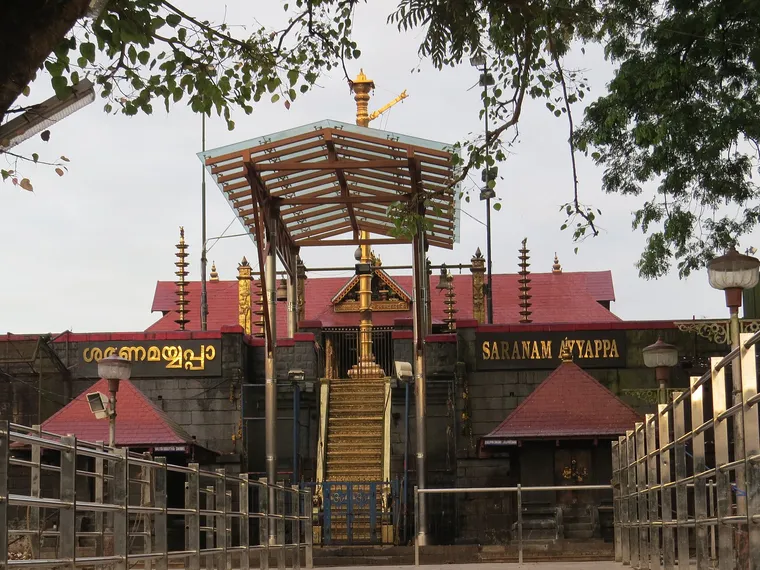
All five temples here in Tamil Nadu and Kerala close in the middle of the day. Meenakshi Amman closes for three and a half hours from 12:30, Ramanathaswamy from 13:00 to 15:00 with darshan resuming at 15:15, Padmanabhaswamy publishes no darshan between noon and 16:30, Guruvayur closes from 12:30 to 16:30, and Sabarimala closes at 13:00. The habit is not only southern: Dwarkadhish shuts for Anosar from 13:00 to 17:00, Dakshineswar from 12:30 to 15:30 and Kamakhya from 13:00 to 14:30. Ram Mandir lists no darshan slot between 12:00 and 13:00 and does not say why. Midday is when a traveller has the most freedom and these temples have the least, and arriving then is the single most reliable way to waste an afternoon.
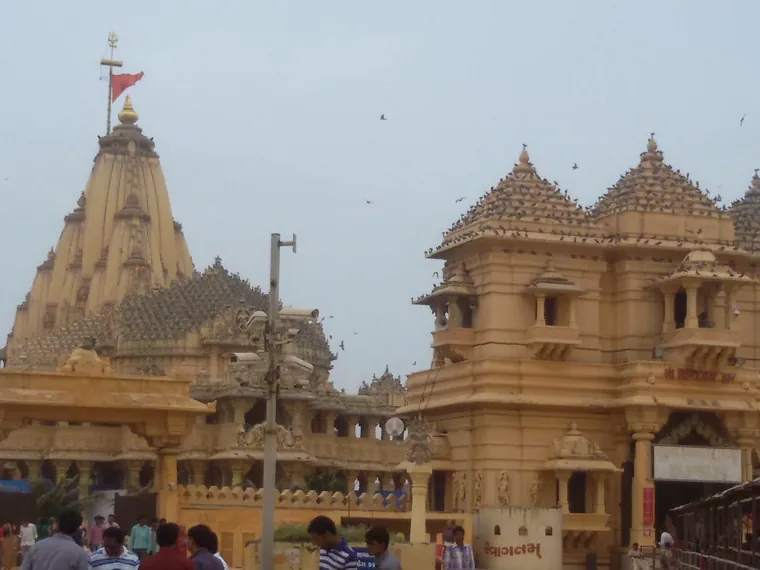
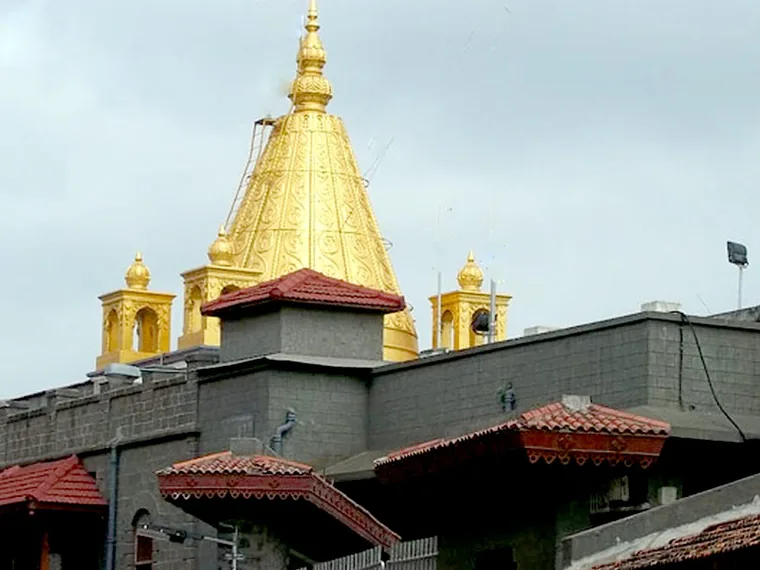
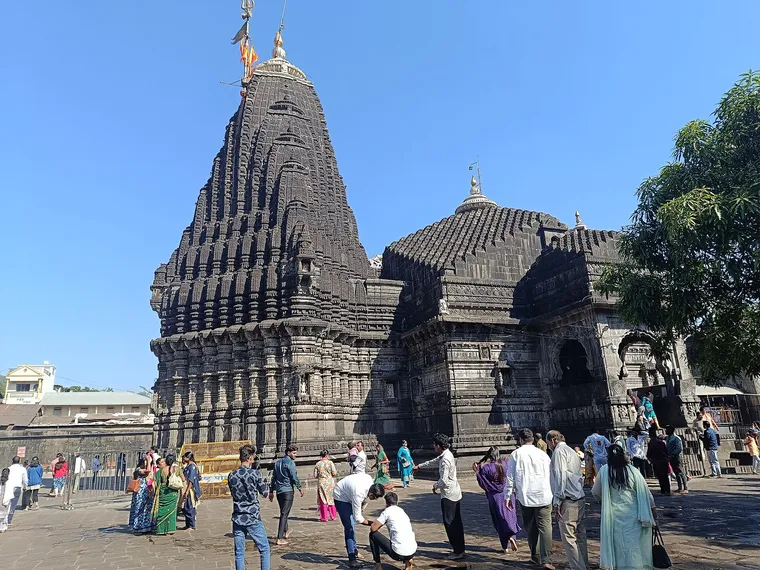
Somnath is the clearest exception, publishing a continuous window from 06:00 to 22:00, and Trimbakeshwar's trust gives one window from 05:30 to 21:00. Vaishno Devi publishes darshan round the clock, paused only at its two aartis, and Shirdi publishes its darshan queue as 06:00 to 21:30 with no break stated. That is worth knowing precisely because it is not the rule.
What you carry matters more than what you wear
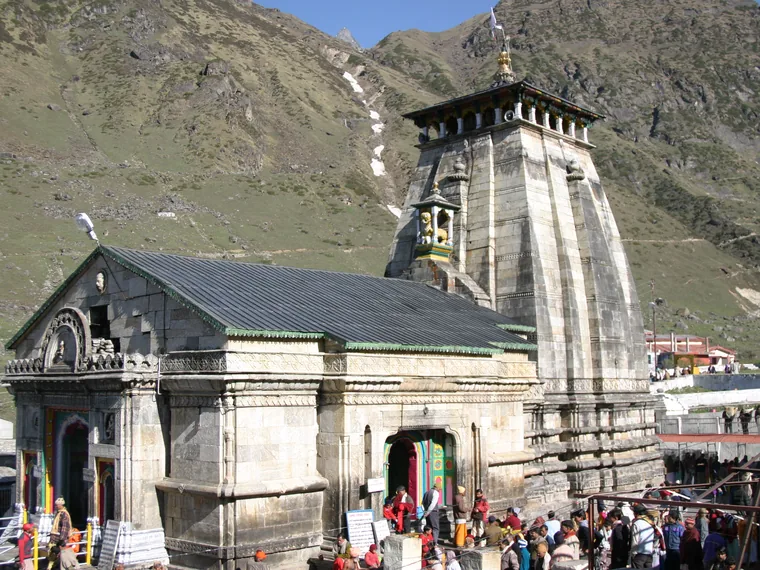
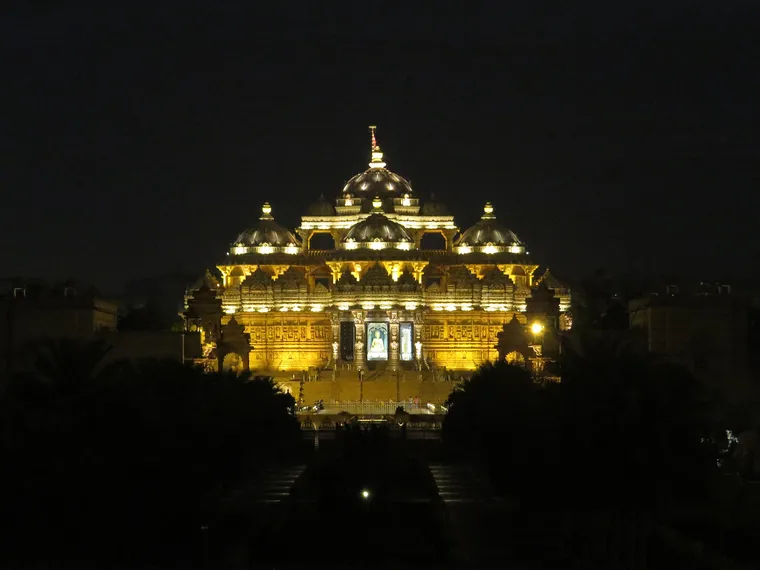
Somnath prohibits all electronic equipment outright, naming mobiles, cameras, smartwatches, laptops, tablets and calculators. Puri bans shoes, leather articles, cameras and mobile phones. Padmanabhaswamy lists mobile phones, cameras, smart watches and a long run of other items as not allowed inside. Phones are also barred inside the temple premises at Kedarnath and, according to MP Tourism, at Mahakaleshwar, and the Vaishno Devi Board's cloak room page bars them from the track. Ramanathaswamy bans umbrellas, sticks and articles made of animal skin. Akshardham in Delhi bars phones, cameras and every other electronic item from the whole complex, and Kamakhya stops footwear at camps on the approach road.
Meanwhile only seven of the twenty-three publish a dress code of their own: Tirumala, Somnath, Siddhivinayak, Padmanabhaswamy, Srisailam, Akshardham in Delhi and, through its Devasthan committee, Dwarkadhish. The rules that are written down here are more often about possessions than about clothing, though Padmanabhaswamy's dress code is strict enough that men must leave trousers, shorts and shirts at the locker counter.
Some visits are decided before you leave home
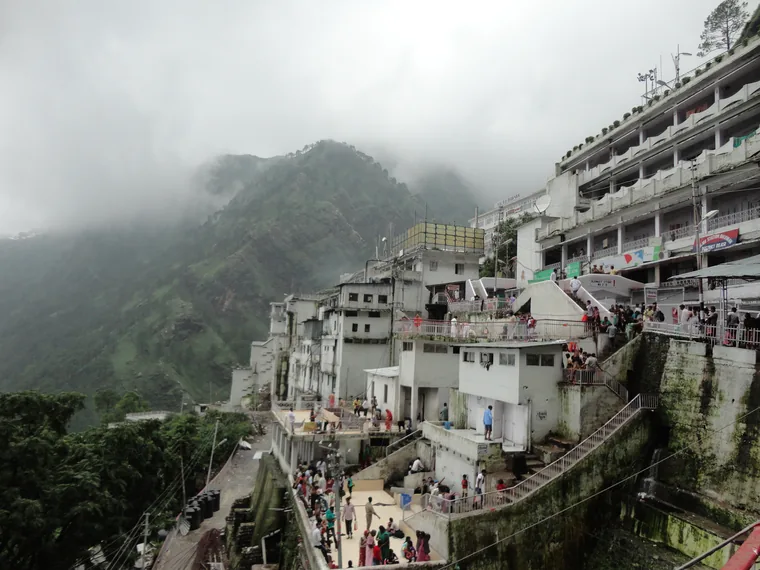
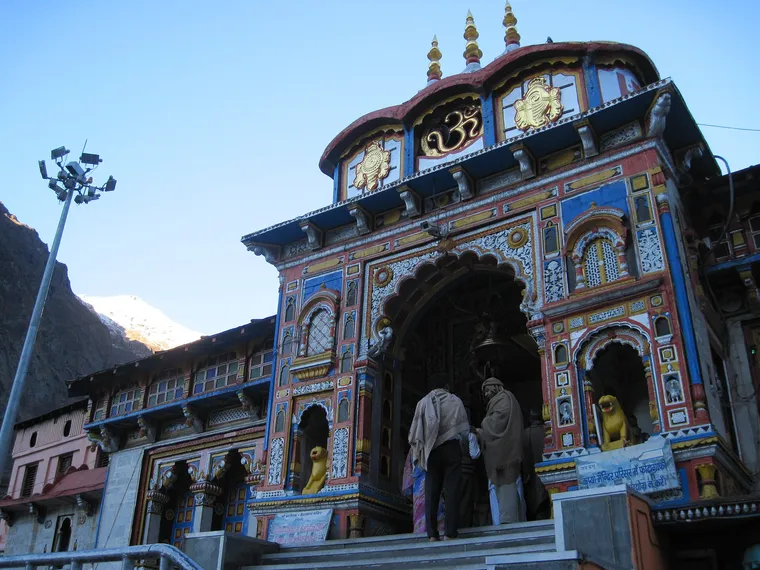
At Vaishno Devi every pilgrim must register and carry an RFID Yatra Access Card, and anyone without one is turned back at Banganga. Kedarnath requires registration with the Government of Uttarakhand before the journey, verification at the shrine and a darshan slot token. Badrinath sits in the same Char Dham registration, and at Sabarimala the Travancore Devaswom Board states that Virtual-Q booking is mandatory for every pilgrim. The Vaishno Devi and Char Dham registrations cost nothing, and none of these steps can be skipped.
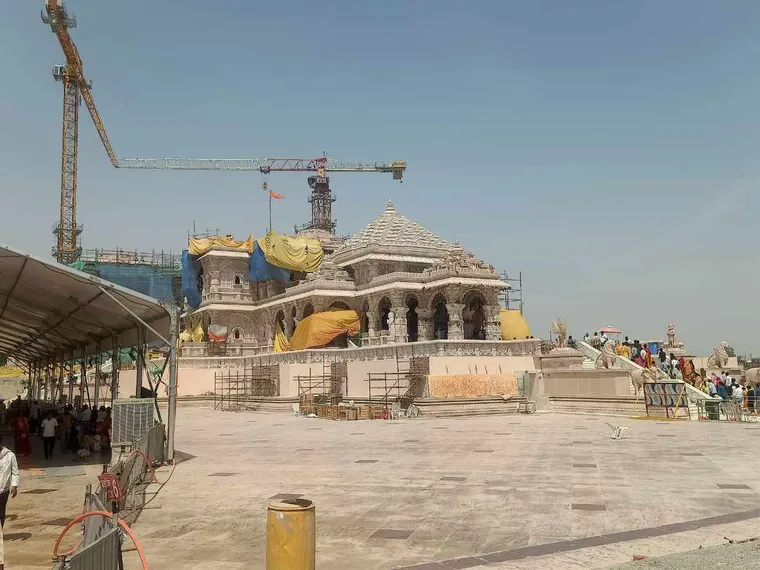
Elsewhere the booking is for a particular ceremony. Mahakaleshwar's Bhasma Aarti is booked online only, with regular slots released at 08:00 on the 1st of the previous month. Shirdi's aarti passes and paid darshan are booked online against a photo ID that must match at verification. Ram Mandir's passes are free, and its Trust has warned that anyone offering darshan for money may be attempting fraud. Kamakhya now sells special darshan tickets online only, and Trimbakeshwar's Rs. 200 donation darshan pass is checked against the booking ID at the gate.
A published schedule is not always a stable one
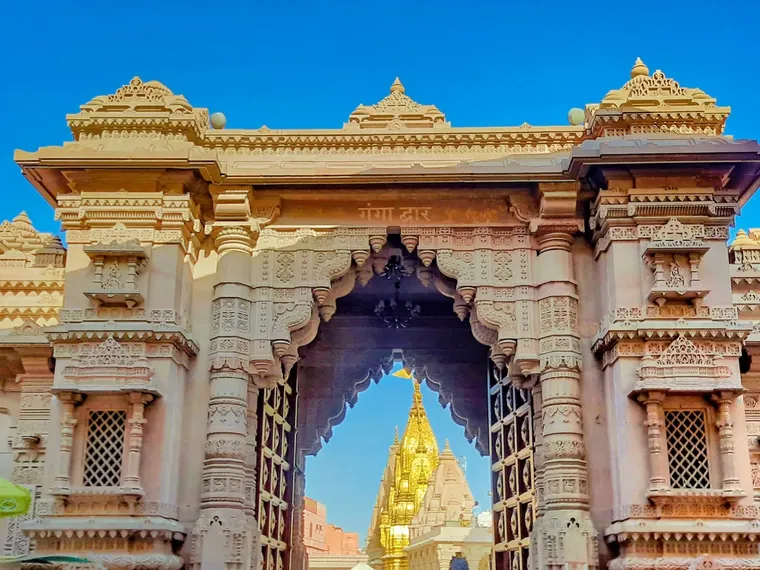
Tirumala republishes its day schedule every day and publishes no standing timetable. Meenakshi's administrator warns that during festival time the timings of the daily poojas are changeable. Kashi Vishwanath publishes its aarti times on two of its own pages and the two do not agree, and Ramanathaswamy's administrator gives two different closing times on a single page. Vaishno Devi and Shirdi tie aartis to sunrise or sunset, so they move through the year, and Ram Mandir's current timings date only from 18 April 2026. Trimbakeshwar's daily programme prints the evening puja at the same hour as the morning one, and Sabarimala's own calendar page still shows the 2023-24 season.
None of that makes these temples unreliable. It means a timing copied from any page, including this one, needs a date attached to be worth anything, and needs checking against the temple before a long journey.


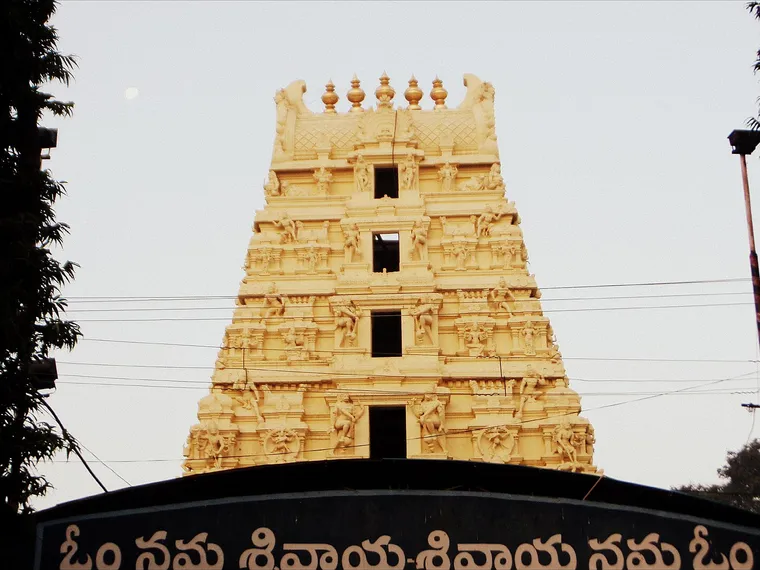
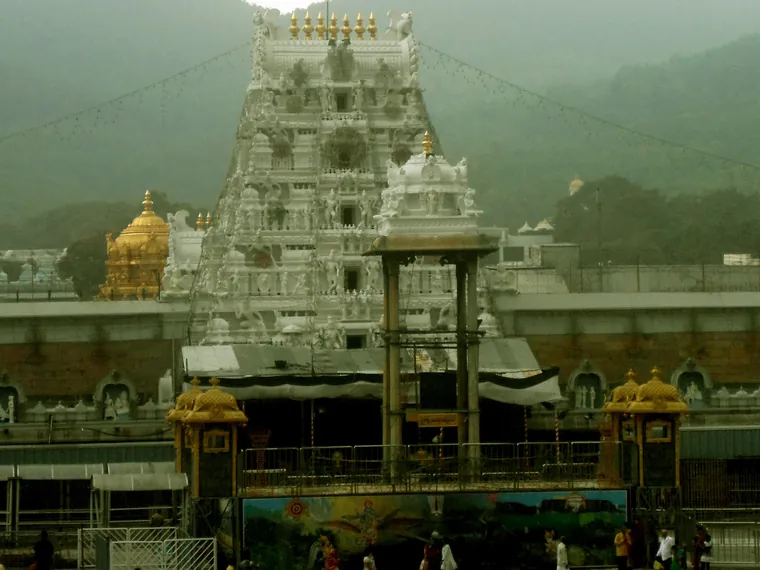 Andhra Pradesh