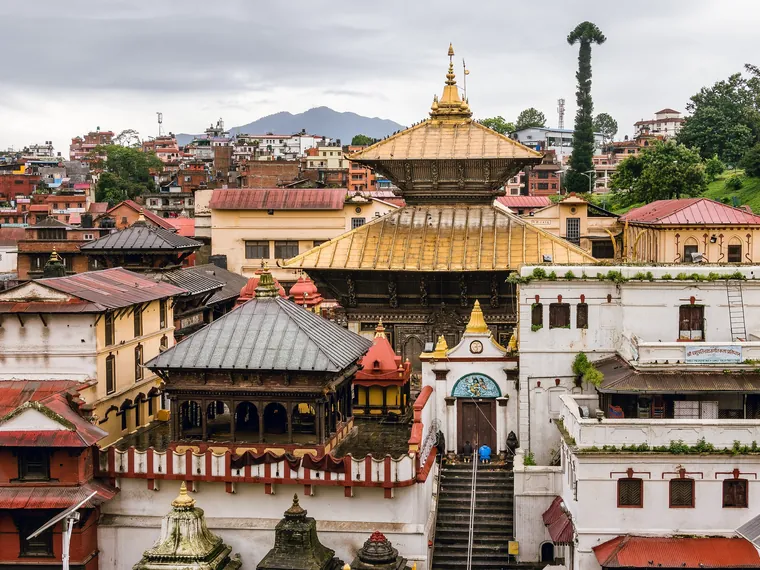
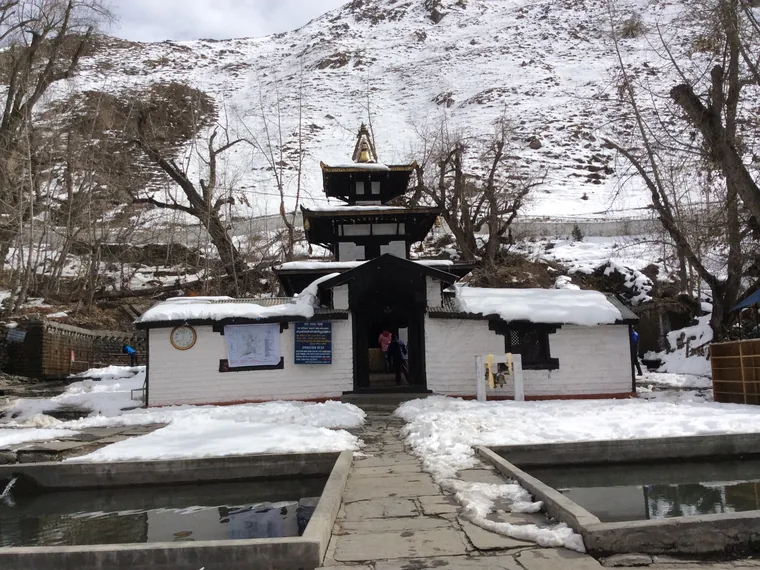
Hindu temples in Nepal
Nepal follows the same ritual pattern as north India, with one difference that decides whether a trip works at all: access. At the temple covered so far, the main courtyard admits only practising Hindus of the South Asian diaspora and Buddhists of the Nepali and Tibetan diaspora. Everyone else views the complex from across the river. That fact is missing from most of the pages that rank for it, and it matters more than any opening time.
Sources checked 1 September 2026
Temples covered in Nepal
One temple so far. Nepal joins the register through Pashupatinath because the demand for answers about it is high and the answers currently online are poor, particularly about who may enter.
The hours, and the long closure
A five hour midday closure is at the long end for a temple of any size, and it is the part of this schedule most likely to cost somebody an afternoon.
| Temple | Published hours |
|---|---|
| PashupatinathKathmandu | 04:00 to 21:00, closed in the middle of the day between 12:00 and 17:00. |
What decides whether you get in
The row below is not a dress code or a bag rule. It is a question of eligibility, and no ticket, fee or arrival time changes it.
| Temple | The rule most likely to change your visit |
|---|---|
| PashupatinathKathmandu | The main courtyard is restricted to practising Hindus of the South Asian diaspora and Nepali or Tibetan Buddhists. |
The entrance fee and the courtyard restriction are two separate things. A foreigner pays 1,000 Nepalese rupees to enter the site; that payment does not grant access to the main courtyard, which is restricted on different grounds entirely. Anyone selling you courtyard access is selling something they do not control.
What is different about visiting in Nepal
Four things worth understanding before planning a temple visit in Kathmandu, drawn from what the temple covered here publishes and from what it does not.
Eligibility comes before the timetable
At Pashupatinath the main courtyard admits only practising Hindus of the South Asian diaspora and Buddhists of the Nepali and Tibetan diaspora. Western Hindus and non-Buddhists cannot enter it. The published opening hours apply to the site, not to the sanctum, and confusing the two is the commonest disappointment here.
This is not a rule you negotiate at the gate or resolve with a fee. Establish it first, then plan the rest of the day around what you can actually do.
The site is bigger than the temple
The complex occupies 246 hectares and holds 518 mini-temples alongside the principal pagoda. A visitor who cannot enter the main courtyard still has a substantial site to walk, along the Bagmati and up the hill on the far bank.
The published suggestion is to allow about ninety minutes to two hours. That is for walking the complex rather than queueing to enter a sanctum.
A five hour closure is unusually long
The site is published as open 4 AM to 9 PM and closed between noon and 5 PM. Midday closures of two to four hours are common across South Asia; five hours is at the long end, and it removes exactly the part of the day a traveller is most likely to be free.
The published advice is to come early in the morning or late in the evening, which sidesteps the closure entirely.
The ritual schedule is not published
What is published are the site hours and the fee. No aarti or ritual timetable could be verified from any source this site reads, which for a complex of this scale is a significant gap rather than a small one.
Pages elsewhere that print an aarti schedule for Pashupatinath are using a source this site has not been able to check. That does not make them wrong; it means nobody can tell you whether they are right.
Questions about Nepali temples
Answered from what these temples publish, with the gaps left as gaps.
Can I enter Pashupatinath as a non-Hindu?
Not the main courtyard. Only practising Hindus of the South Asian diaspora and Buddhists of the Nepali and Tibetan diaspora are allowed into it. Everyone else, including Western Hindus, views the complex from outside.
What are the temple hours in Nepal?
At the temple covered here, 4 AM to 9 PM, closed in the middle of the day between noon and 5 PM. That five hour closure is longer than at most large temples anywhere.
Is there an entrance fee?
A foreigner pays 1,000 Nepalese rupees, about ten US dollars, to enter the site. That fee and the courtyard restriction are separate matters, and paying does not grant courtyard access.
How many Nepali temples are covered?
One so far. Nepal is in the register because the answers online about entering Pashupatinath are poor, not because the country has been worked through.
Are aarti times published?
Not in any form this site could verify. For a complex holding 518 mini-temples that is a real gap, and this site marks it rather than reprinting an unsourced schedule.
When is the best time to visit?
Early in the morning or late in the evening, which is the published advice and also avoids the noon to 5 PM closure completely.
How long should I allow?
About ninety minutes to two hours is the published suggestion, for walking a 246 hectare site rather than for waiting in a queue.
What is the site UNESCO status?
Pashupatinath was inscribed as a World Heritage Site in 1979 and is one of seven monument groups within the Kathmandu Valley designation.
Is there a dress code?
Not published on the source this site reads. Dress modestly as you would anywhere in the region, and expect footwear rules at minimum.
What is the main festival?
Maha Shivaratri, which draws a very large crowd. Whether the published hours change on that date has not been verified here.
Can I take photographs?
No photography rule is published on the source this site reads. Cremations take place at the ghats here, so discretion matters regardless of what any rule permits.
Which Nepali temple gets covered next?
Whichever readers ask for. Requests carry more weight than anything else in deciding what gets written, so a temple name and its town is the most useful thing you can send.
Temple in Nepal not covered yet?
Send its name and its town. Requests decide what gets written next, and corrections to a temple already here are published faster than anything else.